Cognitive Behavioral Therapy (CBT) can make a significant difference when you feel your child is emotionally dysregulated and having difficulty handling big or challenging emotions. These emotions are overwhelming feelings that can lead to rapid heart rate, shortness of breath, tantrums, panic and shutdown. I regularly have kids in my office who believe that emotions like anger, sadness and anxiety are “bad” and should be pushed away, and that only happiness is acceptable and good. Their eyebrows dance when I share that all emotions are helpful and serve a purpose to provide important information about our needs, safety and boundaries. The real difficulty isn’t the emotion itself, but not knowing how to respond when those feelings become overpowering. CBT helps by teaching young people how to identify, understand and respond to their emotions in healthy, flexible ways. So instead of avoiding specific emotions, becoming overwhelmed to a point of distress or getting stuck in emotions that feel hard, they learn to manage them with confidence and emotional flexibility.
Emotional flexibility doesn’t mean being calm all the time. It means being able to think clearly under stress and intentionally choose responses rather than being controlled by emotions.
Understanding CBT: Thoughts, Feelings, and Behaviors
CBT is based on the idea that our thoughts, feelings and behaviors are all connected.
Here is an everyday school example:
- Thought: A child can think, “Everyone is judging me” or “No one likes me.”
- Feeling: This thought fuels anxiety.
- Behavior: They avoid raising their hand in class or engaging in other social interactions.
CBT helps people examine these patterns. Kids learn that while their emotions are valid, the thoughts driving those emotions and the behavior choices produced by the experience may not always be helpful. There is a sign in our office that states, “Feelings aren’t facts” because feelings are temporary and able to change. Understanding this can help kids be more intentional with their behavior choices.
When kids realize that thoughts can be restructured, they gain a sense of agency. They begin to see that feelings are not permanent. This is the beginning of emotional flexibility.
CBT Often Starts with Emotional Awareness
Many children struggle simply because they lack emotional vocabulary. They may describe every feeling as “good,” “bad” or “fine” when underneath there are experiencing more nuanced emotions like proud, inspired, disappointed or lonely. I often use a tool called the Emotions Wheel to build emotional flexibility because it helps kids and teens move from vague, overwhelming feelings to clear, specific understanding. Instead of just saying “I feel bad” or “I’m upset,” the wheel guides them to identify more precise emotions like “frustrated,” “disappointed,” or “overwhelmed.” That clarity is the first step in knowing what to do next.
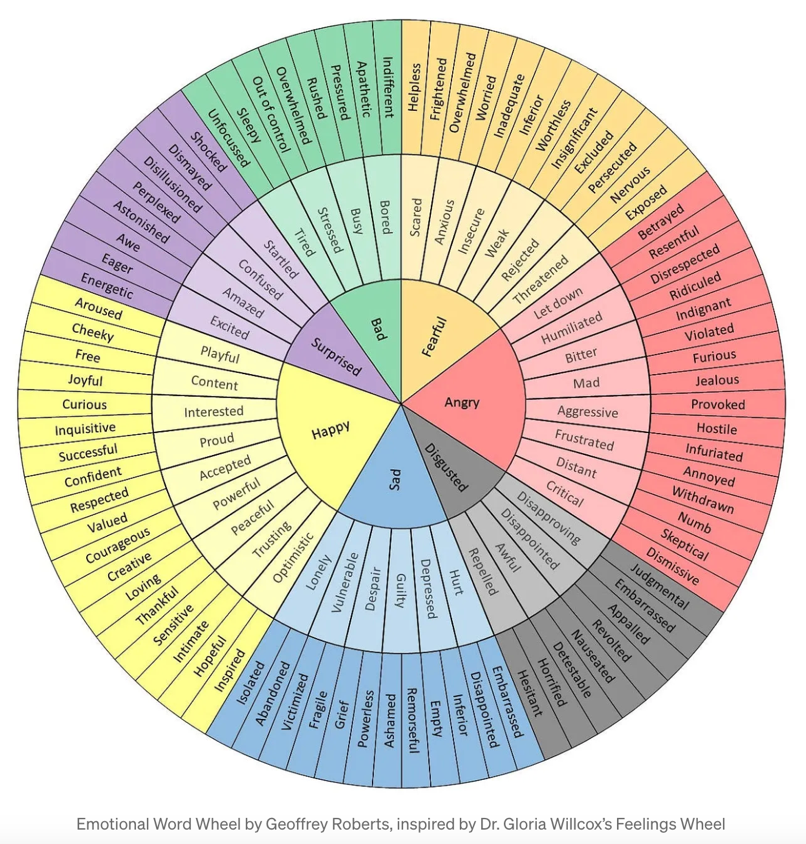
When kids can label what they’re feeling, their brains shift from reactive mode to reflective mode. When they can accurately name an emotion, they can better understand the thoughts and situations driving it. From there, young people can choose more regulated responses rather than reacting impulsively. This alone reduces emotional intensity and increases emotional flexibility. Emotional flexibility requires awareness. You can’t modify what you can’t identify.
CBT Provides Tools
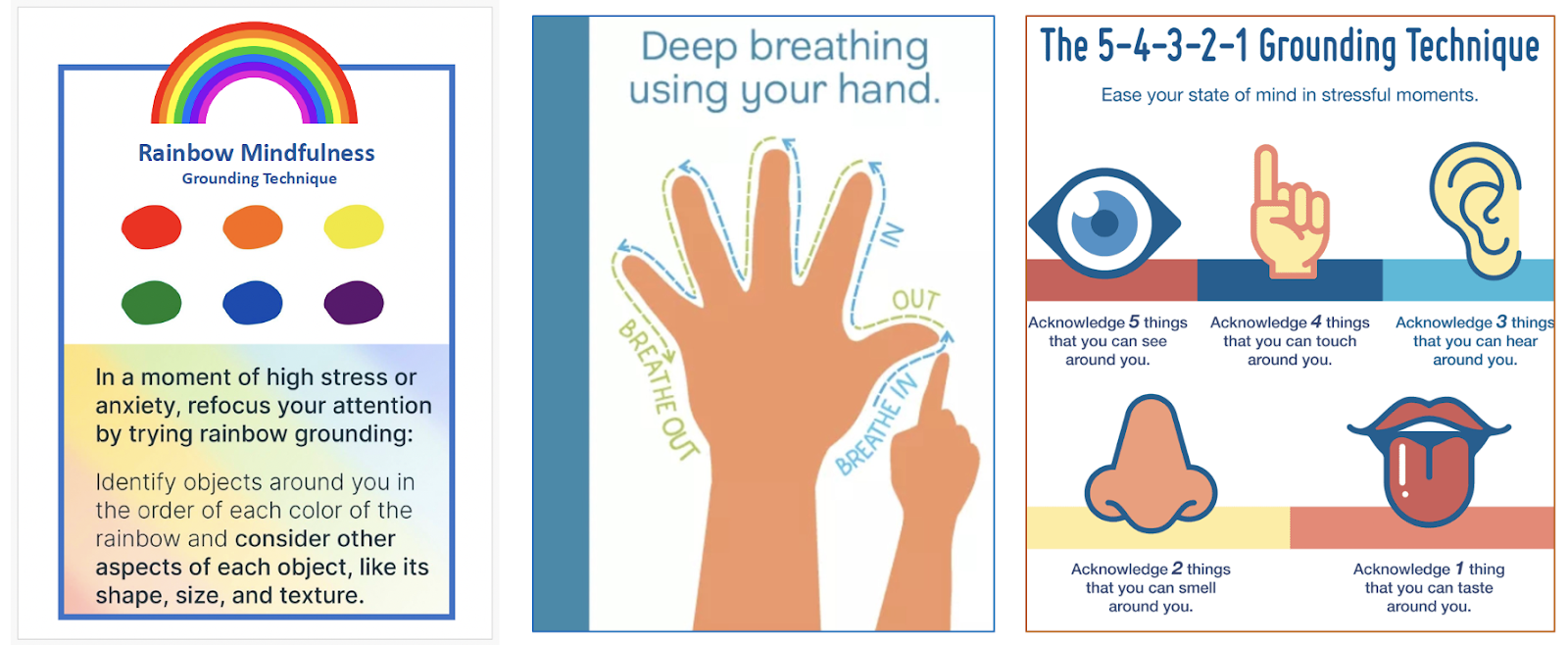
CBT provides coping tools and strategies. Depending on the child’s needs, coping may include deep breathing and mindfulness exercises, gradual exposure to feared situations and assertiveness training for social anxiety. Through these experiences, kids learn something critical: discomfort is tolerable. Emotional flexibility develops when children discover they can survive hard feelings without escaping, exploding or shutting down.
Emotional flexibility is work! Honestly, who wants to count breaths or practice Box Breathing in the middle of intense panic? That’s exactly why practice outside of distress matters. When kids rehearse coping skills during calm moments, those strategies become more familiar, more efficient and eventually more automatic. Over time, the nervous system begins to recognize these tools as the “go-to” response, making it far more likely that a child will reach for a coping skill instead of an impulsive or unhelpful behavior when emotions run high.
When a child says, “I can’t do this,” CBT gently shifts it to, “I can’t do this yet.” And expressions like “This is hard” shift to “This is hard, and I can handle it.” A teen who once said, “I am anxious,” may begin to say, “I’m feeling anxious right now.”
Here are a few visual aids to coping skills that build resilience and emotional flexibility:
Supporting Parents in the Process
Parent involvement is essential. CBT often includes coaching caregivers to:
- Reinforce and praise brave behavior
- Model flexible thinking
- Avoid unintentionally accommodating anxiety
- Respond to big emotions with validation and structure
When parents shift from rescuing to coaching, children internalize those skills more effectively.
Emotional flexibility thrives in environments where feelings are acknowledged but not allowed to dictate every decision.
Final Thoughts
CBT doesn’t promise to eliminate hard feelings. Instead, it teaches children and teens how to move through them with greater awareness, balance, and confidence.
Emotional flexibility is not about suppressing feelings. It’s about expanding the range of responses available when emotions show up.
When young people learn that thoughts can be examined, behaviors can be adjusted, and feelings can be tolerated, they gain something powerful: the ability to respond thoughtfully rather than react impulsively.
And that skill supports lifelong mental health.
If your child struggles with intense emotions, anxiety, or rigid thinking patterns, CBT may offer a structured, evidence-based path toward greater resilience and flexibility. With the right support, kids don’t just manage emotions, they learn to grow from them.
If you would like more assistance in supporting kids learning emotional flexibility, you can schedule an initial appointment or free consultation call with any of the therapists at Houston Anxiety and Wellness Center. You don’t have to navigate this alone.
Privacy Notice: By providing your email, you understand this resource is educational only and doesn't establish a therapeutic relationship. We use Flodesk (non-HIPAA compliant) to deliver this content and general practice updates. Your email will not be shared with third parties.
Cognitive Behavioral Therapy (CBT) can make a significant difference when you feel your child is emotionally dysregulated and having difficulty handling big or challenging emotions. These emotions are overwhelming feelings that can lead to rapid heart rate, shortness of breath, tantrums, panic and shutdown. I regularly have kids in my office who believe that emotions like anger, sadness and anxiety are “bad” and should be pushed away, and that only happiness is acceptable and good. Their eyebrows dance when I share that all emotions are helpful and serve a purpose to provide important information about our needs, safety and boundaries. The real difficulty isn’t the emotion itself, but not knowing how to respond when those feelings become overpowering. CBT helps by teaching young people how to identify, understand and respond to their emotions in healthy, flexible ways. So instead of avoiding specific emotions, becoming overwhelmed to a point of distress or getting stuck in emotions that feel hard, they learn to manage them with confidence and emotional flexibility.
Emotional flexibility doesn’t mean being calm all the time. It means being able to think clearly under stress and intentionally choose responses rather than being controlled by emotions.
Understanding CBT: Thoughts, Feelings, and Behaviors
CBT is based on the idea that our thoughts, feelings and behaviors are all connected.
Here is an everyday school example:
- Thought: A child can think, “Everyone is judging me” or “No one likes me.”
- Feeling: This thought fuels anxiety.
- Behavior: They avoid raising their hand in class or engaging in other social interactions.
CBT helps people examine these patterns. Kids learn that while their emotions are valid, the thoughts driving those emotions and the behavior choices produced by the experience may not always be helpful. There is a sign in our office that states, “Feelings aren’t facts” because feelings are temporary and able to change. Understanding this can help kids be more intentional with their behavior choices.
When kids realize that thoughts can be restructured, they gain a sense of agency. They begin to see that feelings are not permanent. This is the beginning of emotional flexibility.
CBT Often Starts with Emotional Awareness
Many children struggle simply because they lack emotional vocabulary. They may describe every feeling as “good,” “bad” or “fine” when underneath there are experiencing more nuanced emotions like proud, inspired, disappointed or lonely. I often use a tool called the Emotions Wheel to build emotional flexibility because it helps kids and teens move from vague, overwhelming feelings to clear, specific understanding. Instead of just saying “I feel bad” or “I’m upset,” the wheel guides them to identify more precise emotions like “frustrated,” “disappointed,” or “overwhelmed.” That clarity is the first step in knowing what to do next.
When kids can label what they’re feeling, their brains shift from reactive mode to reflective mode. When they can accurately name an emotion, they can better understand the thoughts and situations driving it. From there, young people can choose more regulated responses rather than reacting impulsively. This alone reduces emotional intensity and increases emotional flexibility. Emotional flexibility requires awareness. You can’t modify what you can’t identify.
CBT Provides Tools
CBT provides coping tools and strategies. Depending on the child’s needs, coping may include deep breathing and mindfulness exercises, gradual exposure to feared situations and assertiveness training for social anxiety. Through these experiences, kids learn something critical: discomfort is tolerable. Emotional flexibility develops when children discover they can survive hard feelings without escaping, exploding or shutting down.
Emotional flexibility is work! Honestly, who wants to count breaths or practice Box Breathing in the middle of intense panic? That’s exactly why practice outside of distress matters. When kids rehearse coping skills during calm moments, those strategies become more familiar, more efficient and eventually more automatic. Over time, the nervous system begins to recognize these tools as the “go-to” response, making it far more likely that a child will reach for a coping skill instead of an impulsive or unhelpful behavior when emotions run high.
When a child says, “I can’t do this,” CBT gently shifts it to, “I can’t do this yet.” And expressions like “This is hard” shift to “This is hard, and I can handle it.” A teen who once said, “I am anxious,” may begin to say, “I’m feeling anxious right now.”
Here are a few visual aids to coping skills that build resilience and emotional flexibility:
Supporting Parents in the Process
Parent involvement is essential. CBT often includes coaching caregivers to:
- Reinforce and praise brave behavior
- Model flexible thinking
- Avoid unintentionally accommodating anxiety
- Respond to big emotions with validation and structure
When parents shift from rescuing to coaching, children internalize those skills more effectively.
Emotional flexibility thrives in environments where feelings are acknowledged but not allowed to dictate every decision.
Final Thoughts
CBT doesn’t promise to eliminate hard feelings. Instead, it teaches children and teens how to move through them with greater awareness, balance, and confidence.
Emotional flexibility is not about suppressing feelings. It’s about expanding the range of responses available when emotions show up.
When young people learn that thoughts can be examined, behaviors can be adjusted, and feelings can be tolerated, they gain something powerful: the ability to respond thoughtfully rather than react impulsively.
And that skill supports lifelong mental health.
If your child struggles with intense emotions, anxiety, or rigid thinking patterns, CBT may offer a structured, evidence-based path toward greater resilience and flexibility. With the right support, kids don’t just manage emotions, they learn to grow from them.
If you would like more assistance in supporting kids learning emotional flexibility, you can schedule an initial appointment or free consultation call with any of the therapists at Houston Anxiety and Wellness Center. You don’t have to navigate this alone.